Insurance Lead Generation Ads Strategies for Insurance Companies
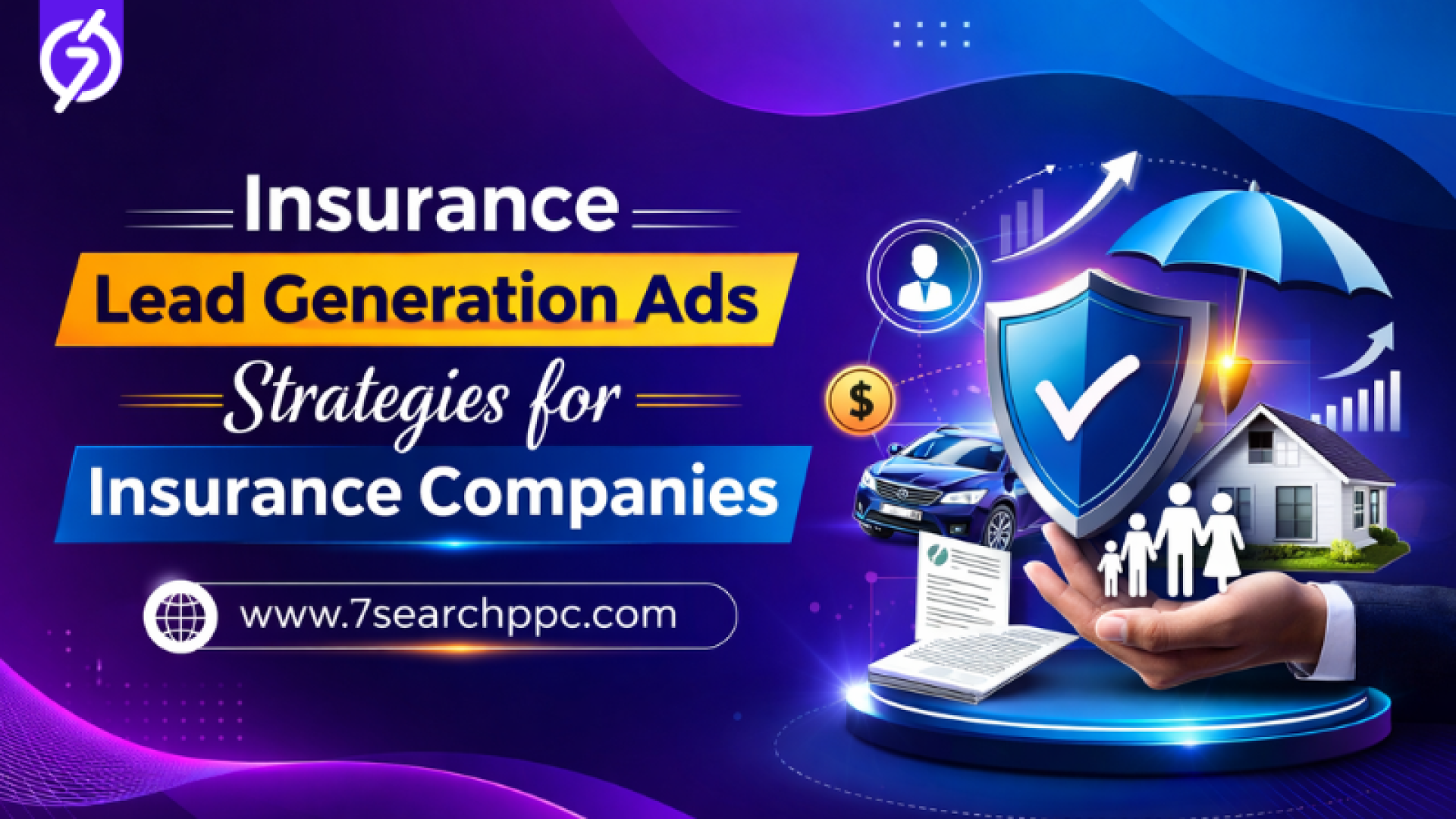
In today’s highly competitive financial landscape, insurance providers must go beyond traditional outreach methods to capture high-intent prospects. Insurance Lead Generation Ads have become a central component of modern acquisition strategies, helping insurers connect with potential policyholders at the right time, on the right platform, with the right message. As digital behavior continues to evolve, leveraging data-driven campaigns is no longer optional—it is essential.
This comprehensive guide explores advanced strategies, optimization methods, and campaign frameworks that insurance companies can use to maximize conversions and ROI. From audience targeting and landing page optimization to retargeting and automation, we will break down everything you need to know to make Insurance Lead Generation Ads work effectively within your broader insurance marketing strategy.
>>Launch Your Insurance Ad Campaign Today – Click Now<<
The Growing Importance of Insurance Lead Generation Ads
The insurance industry is built on trust, credibility, and long-term relationships. However, acquiring new customers requires immediate visibility and persuasive engagement. This is where Insurance Lead Generation Ads become powerful tools for sustainable growth.
Digital-first consumers research policies online before making decisions. Whether they are searching for health, life, motor, or business coverage, their journey typically begins with online exploration. Effective ads for insurance ensure your brand appears at the top of their search and consideration phase.
Unlike broad awareness campaigns, Insurance Lead Generation Ads are designed specifically to capture actionable leads—contact forms, phone calls, quote requests, and consultation bookings. These leads can then be nurtured through structured insurance marketing funnels using email automation, remarketing, and CRM integration.
How Insurance Lead Generation Ads Work
Insurance Lead Generation Ads function by targeting potential customers based on intent signals, demographics, behaviors, and interests. These campaigns are typically run using PPC ads, display placements, social promotions, and native advertising formats.
Intent-Based Targeting
High-performing ads for insurance focus on users actively searching for policies or comparing quotes. Intent-driven PPC ads place your offerings directly in front of consumers who are ready to make decisions.
Audience Segmentation
Segmenting campaigns is crucial for optimizing Insurance Lead Generation Ads. Life insurance prospects differ significantly from auto insurance buyers. Personalized messaging within insurance marketing ensures better engagement and lower acquisition costs.
Optimized Landing Pages
No Insurance Lead Generation Ads campaign can succeed without a high-converting landing page. Fast loading speeds, trust badges, testimonials, and simple quote forms are essential for improving conversion rates. Aligning ad copy with landing page messaging ensures consistency across your insurance marketing funnel.
Core Strategies for High-Converting Insurance Lead Generation Ads
Crafting Compelling Ad Copy
The success of ads for insurance depends heavily on persuasive copy. Highlight benefits rather than features. Emphasize security, savings, family protection, and fast claims support. Strong CTAs like “Get Your Free Quote Today” enhance the effectiveness of PPC ads.
Leveraging Data and Analytics
Data-driven optimization transforms average Insurance Lead Generation Ads into high-performing campaigns. Monitor metrics such as cost per lead, click-through rate, and conversion rate. Continuous A/B testing strengthens your overall insurance marketing performance.
Geo-Targeting for Local Insurance Providers
Location-based targeting allows ads for insurance to reach prospects within specific regions. Localized PPC ads generate higher relevance and better lead quality, especially for health and auto insurance providers operating within limited territories.
Retargeting for Higher Conversions
Many users do not convert during their first visit. Retargeting campaigns ensure your Insurance Lead Generation Ads remain visible to previous visitors. Strategic remarketing strengthens brand recall and improves overall insurance marketing ROI.
Integrating Insurance Lead Generation Ads with PPC Ads
PPC ads remain one of the most effective ways to deploy Insurance Lead Generation Ads. By bidding on high-intent keywords, insurers can capture prospects actively searching for policies.
When building campaigns, ensure your ads for insurance align with consumer queries such as “best life insurance near me” or “affordable car insurance quotes.” Integrating keyword-rich copy enhances ad relevance and improves quality scores in PPC ads platforms.
Additionally, incorporating negative keywords prevents wasted spend, ensuring your Insurance Lead Generation Ads reach only relevant audiences.
Strengthening Insurance Marketing Through Multi-Channel Campaigns
While PPC ads are powerful, combining them with display, social, and native formats strengthens overall insurance marketing effectiveness. Multi-channel strategies expand reach while maintaining consistent messaging.
For instance, Insurance Lead Generation Ads can start with search-based PPC ads, followed by display retargeting and email automation sequences. This layered approach improves engagement at every stage of the buyer journey.
Designing High-Performance Ads for Insurance Campaigns
Visual Appeal and Branding
Effective ads for insurance should reflect professionalism and reliability. Clean visuals, reassuring colors, and recognizable branding enhance trust, which is critical in insurance marketing.
Clear Value Propositions
Each of your Insurance Lead Generation Ads must communicate a strong reason to act. Highlight limited-time discounts, fast approvals, or personalized quotes to improve results from your PPC ads.
Mobile Optimization
With mobile searches dominating online activity, responsive landing pages are essential. Poor mobile experiences can drastically reduce the effectiveness of Insurance Lead Generation Ads and harm your overall insurance marketing strategy.
Automation and CRM Integration
Modern Insurance Lead Generation Ads should connect directly to CRM systems. Automated follow-ups via email or SMS nurture prospects efficiently. Integrating automation strengthens insurance marketing pipelines and improves response times.
High-performing ads for insurance generate consistent leads, but nurturing them properly ensures higher closing rates. Automation bridges the gap between inquiry and policy purchase.
Compliance and Transparency in Insurance Lead Generation Ads
Insurance is a regulated industry. Ensure your Insurance Lead Generation Ads comply with advertising guidelines and clearly disclose policy details. Transparent ads for insurance build trust and prevent regulatory issues.
Ethical insurance marketing practices enhance brand credibility and foster long-term customer loyalty.
Optimizing Budget Allocation for Maximum ROI
Budget optimization is critical when running PPC ads as part of your Insurance Lead Generation Ads strategy. Allocate more budget to high-performing campaigns and pause underperforming segments.
Smart bidding strategies enhance the efficiency of ads for insurance, reducing cost per acquisition while increasing lead volume.
Building a Long-Term Insurance Marketing Funnel
Short-term campaigns generate leads, but sustainable growth requires a comprehensive insurance marketing funnel. Insurance Lead Generation Ads act as the entry point into this system.
Once leads are captured through PPC ads and optimized ads for insurance, they should enter structured email sequences, remarketing lists, and personalized follow-ups. Consistency in insurance marketing ensures higher lifetime customer value.
For deeper insights into effective insurance marketing frameworks, explore this resource: insurance marketing.
Measuring Success in Insurance Lead Generation Ads
Cost Per Lead
Track how much each Insurance Lead Generation Ads campaign costs per qualified inquiry. Compare results across different PPC ads channels.
Lead Quality
High volumes mean little without quality. Strong ads for insurance attract prospects genuinely interested in purchasing policies.
Conversion Rate Optimization
Refining landing pages improves the effectiveness of Insurance Lead Generation Ads and strengthens your broader insurance marketing outcomes.
Explore professional solutions for scaling PPC ads campaigns here: PPC ads.
Conclusion
Insurance Lead Generation Ads are the backbone of modern customer acquisition for insurers. By combining targeted PPC ads, compelling ads for insurance, optimized landing pages, and strategic insurance marketing funnels, companies can consistently attract high-quality prospects.
Success requires continuous testing, compliance adherence, and data-driven decision-making. When executed properly, Insurance Lead Generation Ads not only increase lead volume but also enhance long-term profitability and brand credibility in an increasingly competitive market.
Frequently Asked Questions
What are Insurance Lead Generation Ads?
Ans. Insurance Lead Generation Ads are digital advertising campaigns designed specifically to capture potential customer information for various insurance products through forms, calls, or quote requests.
How do PPC ads help insurance companies?
Ans. PPC ads place ads for insurance directly in front of high-intent users searching for policies, increasing visibility and generating qualified leads quickly.
Why is insurance marketing important for lead generation?
Ans. Insurance marketing builds brand trust, nurtures prospects, and supports Insurance Lead Generation Ads by guiding users through structured conversion funnels.
How can I improve the performance of ads for insurance?
Ans. Enhance targeting, refine ad copy, optimize landing pages, and integrate retargeting strategies to maximize the impact of your ads for insurance.
Are Insurance Lead Generation Ads suitable for small agencies?
Ans. Yes, Insurance Lead Generation Ads can be scaled according to budget, making them highly effective for both small agencies and large insurance enterprises.